





Why Account Access Shapes The Whole Session
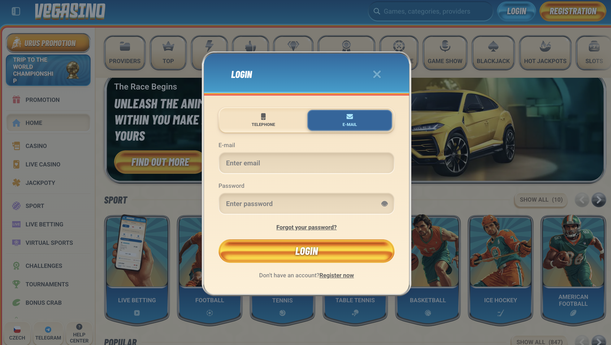
The first account screen does a quiet job. It tells the player whether the platform feels ordered, rushed, cluttered, or calm before a single game tile even matters. That reaction forms quickly, and it tends to stay. For adult players in Canada, including users who want a straightforward route into the platform, the entry flow matters more than flashy decoration.
Say the session starts after work on a phone with low battery. The player wants one simple thing at first - get inside the account, review the balance, and decide what to do next. A strong entry area supports that rhythm. A weak one burns time with vague labels, crowded buttons, and too many competing elements on the same screen.
The real test is repetition. On day one, almost any casino can look exciting. By day twelve, excitement matters less than order. Can the player move from account access to the wallet, then to support, then back to the lobby without unnecessary wandering? When that path stays smooth, trust grows almost by accident.
And that is why the sign-in route deserves a full review on its own. It is not just a door. It is the tone-setter for everything after it.
How Vegasino Welcome Bonus Changes The First Visit
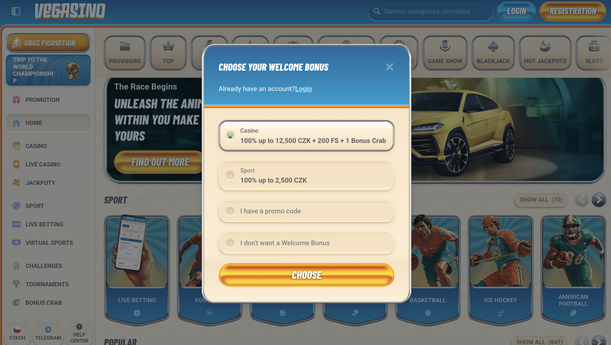
A welcome offer affects behavior before the player even thinks about game categories. It changes the order of attention. Instead of only asking, “Can I get into the account fast?” the player also starts asking, “Where is the offer explained, what triggers it, and what should be checked before using it?” That second layer of attention makes the first visit feel heavier or clearer depending on how well the platform explains itself.
A new user opens the site during a short evening break, notices the opening offer, and tries to line it up with account setup. When the offer details sit close to the registration path and the wallet logic feels readable, the whole experience seems more mature. When the offer feels detached from the actual setup steps, confusion begins early and stays longer than it should.
Mobile Use Is About Rhythm, Not Just Screen Size
A casino can technically open on a phone and still feel awkward in real use. Mobile comfort is not the same as mobile availability. The better question is simpler: does the platform support short, practical sessions when a player is using one hand, changing focus, and moving through the account in bursts rather than in one long stretch?
A player may open Vegasino on the sofa, in a queue, or during a commute. In those ordinary moments, the structure gets judged hard. The profile area should stay separate from the lobby. The wallet should feel easy to reach. Support should not disappear behind three layers of menu logic. And session control tools should feel like real features, not afterthoughts.
Phones expose weak design faster than laptops do. A desktop user may tolerate visual clutter for a while. A mobile user notices the same clutter in seconds. Too many banners, vague icons, oversized blocks, cramped menus - all of it feels louder on a smaller screen. That is why the mobile route tells the truth very quickly.
How Vegasino Registation Feels On A Phone
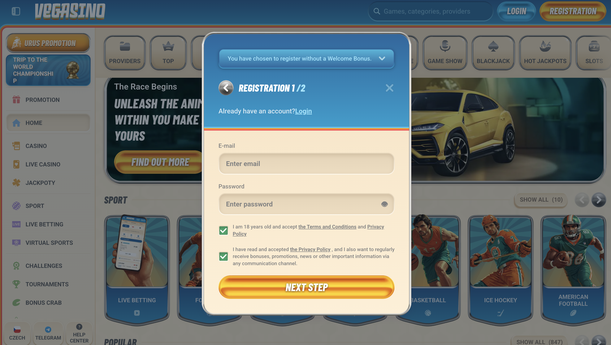
Account creation on mobile is one of the clearest honesty tests a casino has. The player enters a few details, moves through the first screens, and instantly learns whether the process was designed for real hands and real attention spans or simply compressed from a desktop layout.
Late at night, a new user may only have the energy for one clean sequence: enter basics, confirm the next step, review the account, and stop. When the setup flow follows that rhythm, registration feels lighter than it really is. When the flow asks for too much context too soon, the process starts to drag before trust has even formed.
Where First-Time Friction Usually Appears
Most friction begins in unglamorous places. A field label says too little. A page asks for information before explaining why it matters. The next button appears, though the player is not fully sure what the next page will contain. None of those issues are dramatic by themselves. Together, they slow everything down.
A player returning to the setup process after a pause should be able to recover the thread immediately. Good structure allows that. Weak structure forces the player to re-learn the screen every time attention slips.
Wallet Logic And Payment Confidence
Money movement is where design stops being decorative. A wallet area either helps the player think clearly or it does not. That is why the cashier deserves more attention than many reviews give it. A readable wallet page tells the user where the amount goes, what happens next, and how to exit the step without feeling trapped in the flow.
Consider a short late-evening visit. The player opens the account, checks the recent record list, and decides to review the payment options before doing anything else. A strong cashier makes that easy. The methods are presented clearly, the amount field is not buried, and the route back to the account remains obvious. The player feels informed, not pushed.
The same applies to withdrawals, though with even more pressure. A withdrawal request is not just another tap. It is a trust moment. The player wants to know where the action belongs, what should be reviewed before confirming it, and how the account will reflect the request afterward. Clarity matters more than hype there.
Area | What The Player Needs | Why It Matters |
|---|---|---|
Account summary | Balance, recent activity, profile path | Creates context before any money move |
Wallet section | Clear method list and amount review | Reduces hesitation during payment steps |
Offer page | Terms placed near setup and wallet logic | Helps players avoid mismatched expectations |
Support path | Easy access during account or cashier use | Lowers tension when questions appear |
Control tools | Limits, reminders, pause options | Supports steadier adult play |
From Lobby Browsing To Real Session Control
Once the player gets past the account and wallet, the next test is browsing. Not the flashy version. The practical one. Can the lobby help the player narrow choices, or does it simply throw more screens and more tiles into the path? The best browsing flow feels like guided freedom. The player has options, though the options do not collapse into noise.
A short visit shows this fast. The player opens one category, checks another, returns to the menu, then tries to locate support or session settings without losing the thread of the visit. When the platform behaves like one connected environment, this movement feels natural. When each section feels like a separate island, the session becomes scattered.
That scattered feeling matters more than many operators assume. The player may not describe it in design language, though they feel it immediately. One extra tap is fine. Five extra taps begin to shape opinion. And in casino use, opinion often forms through friction, not through features.
Session control tools play a major role here. Limits, reminders, timeout options, and account management settings should sit close enough to real decisions that they can actually help. A player does not need those tools because a review told them to care. A player needs them because some sessions turn messy gradually, and the platform should support control before confusion grows.
Say the visit starts casually, then stretches longer than planned. The player checks the balance twice, browses without focus, and notices the session losing shape. A visible reminder or pause route can restore order right there. Good casino design respects that moment instead of pretending it never happens.
Why Structure Matters More Than Sheer Variety
Variety is useful only when the player can navigate it without fatigue. A lobby with many categories, many offers, and many paths can still feel weak when the organization does not help the player make smaller, better decisions. Strong structure does not reduce choice. It reduces the cost of understanding choice.
That is why some players enjoy broad platforms and others bounce off them quickly. The difference is often not taste alone. It is the relationship between variety and clarity.
Support Quality Shows Up Before A Chat Ever Opens
Help systems affect the mood of a platform even when the player never uses them. Just seeing a visible route to assistance changes the experience. It tells the player that confusion has somewhere to go. That is a small psychological shift, though it matters. A casino with hidden support tends to feel more defensive. A casino with visible support tends to feel more settled.
A player checking account details at the end of the day may never contact anyone. Still, knowing where help sits creates calm. The same is true for FAQ pages, account guidance, and visible explanations around setup, wallet use, and session controls. These parts make the whole environment feel less improvised.
Support also works best when it stays close to the player’s actual pressure points. Near the account area. Near the wallet. Near the control settings. Not hidden in some corner that only appears after multiple detours. Good placement tells the player that the product expects real questions and respects real interruptions.
Another thing many reviews miss: support and control tools work together. When help is visible and the session-management options are visible, the platform feels more responsibly built. The player sees that the account was designed with boundaries, not only with momentum.
A user who opens the site during a hurried lunch break learns this quickly. They do not have time to explore every edge of the interface. They need the important routes to reveal themselves early. When that happens, trust rises without much effort.
Who May Enjoy This Style Of Casino Experience
This kind of platform usually suits players who care about order more than spectacle. They want a clear account route, a readable wallet section, visible support, and a mobile experience that holds together during short sessions. The attraction is not only the games. It is the feeling that the environment behaves consistently from screen to screen.
That includes players who use the casino in bursts. One short visit in the afternoon. Another in the evening. Maybe a quick check later at night. Those users often judge the platform through repetition. They notice whether the account area stays understandable, whether the lobby remains manageable, and whether the wallet still feels calm after the novelty wears off.
Some people prefer very thin, stripped-down mobile layouts and may find any broader product slightly layered. Others like having more visible tools because those tools reduce guesswork. Neither preference is wrong. The stronger question is whether the platform seems to know what kind of experience it is building for adult users in Canada.
A simple test works well. Open the account. Review recent activity. Check the offer page. Visit the wallet. Browse one category. Locate support. Confirm where the session tools sit. Then leave. That short sequence reveals far more than promotional language ever will.